What Animals Can You See in Banff in Winter? A Species Field Guide
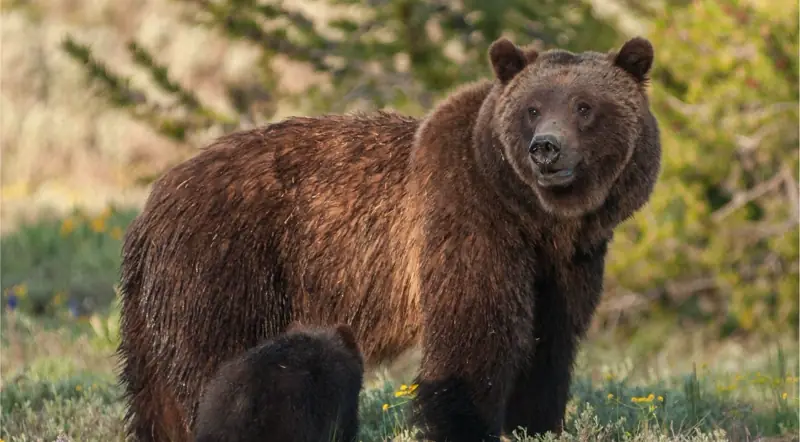
You can see wildlife in Banff all winter, even though most of the grizzly bears are hibernating. Elk, bighorn sheep, deer, red squirrels and several resident birds stay active through the colder months. Coyotes are possible, while wolves, moose and the other elusive mammals are much harder to predict. A winter encounter might be a herd of elk grazing in a snowy valley, a bighorn sheep on an exposed hillside, or an American dipper diving into icy water at Bow Falls.
Plan your outing around habitat and safety, not around one animal you hope to tick off. Lower valleys usually hold more reachable winter food than the high alpine slopes, and the few stretches of open water draw some specialised birds. You don't need to head into remote terrain to enjoy Banff's wildlife: a short, quiet outing close to town is often the best winter experience of all.
This field guide covers each species you might meet, how to recognise it, where to watch from public areas, how November differs from February, and what to do when wildlife turns up beside a road or trail. If you are deciding whether to book a guided trip, our guide to Banff winter wildlife tours covers that choice.
Banff winter animals at a glance
| Animal | Active in winter? | What to expect | How to recognise it |
|---|---|---|---|
| Elk | Yes | A good animal to hope for in suitable valley habitat | Large tan body, pale rump, often in groups |
| Bighorn sheep | Yes | Possible on exposed slopes and near some road corridors | Stocky build; males carry massive curling horns |
| Mule deer or white-tailed deer | Yes | Possible along forest edges and in lower valleys | Smaller than elk; ears, tail and gait help tell them apart |
| Coyote | Yes | Possible but unpredictable | Slender wild dog, narrow muzzle, often alone |
| Red squirrel | Yes | A good one to watch for in conifer woods | Small reddish squirrel with a bushy tail |
| Snowshoe hare | Yes | Hard to spot, because its coat can blend into the snow | Large hind feet; often white in winter |
| American dipper and other resident birds | Yes | Excellent subjects for patient birdwatchers | Dippers at open water; chickadees in the trees |
| Moose | Yes | Occasional, not a dependable sighting | Long legs, very large muzzle, shoulder hump |
| Grey wolf | Yes | A rare and unpredictable encounter | Large, long-legged wild dog; usually distant |
| Cougar, lynx, wolverine | Yes | Extremely unlikely on an ordinary visit | Usually stay out of sight |
| Grizzly and black bears | Mostly denning | Exceptionally unlikely in midwinter | Never assume every bear is asleep |
"Good to hope for", "possible" and "rare" describe what visitors can generally expect. They are not measured odds or a promise for any place, month or tour.
The calendar is for the Twilight Wildlife & Alpine Lakes Sunset Safari, an evening tour whose guide changes the route to follow that day's elk, sheep and deer sightings: 4.6★ from 70+ reviews, from $142, park entry included. Sightings are likely but not guaranteed.
Why do you see different animals in Banff in winter?
Banff is not one landscape. Parks Canada describes three main ecological regions: montane valleys, subalpine forest and alpine terrain. The montane zone covers only a small part of the park, but it gets less winter snow and holds a big share of the wildlife habitat. Banff town and Lake Minnewanka both sit in this lower zone. In winter, animals tend to move to where the snow is shallower or the plants are easier to reach, and predators follow their prey and other food.
That is why a winter wildlife outing is usually better spent watching valley meadows, forest edges, exposed hillsides and unfrozen water than driving higher for big mountain views. A spectacular glacier viewpoint is not necessarily a good place to see animals.
Winter also changes what you notice. Bare shrubs reveal some animals, snow holds tracks, and on quiet days bird calls carry further. On the other hand, animals may be saving energy, sheltering from the weather, or simply nowhere near the road you are on.
For the background on Banff's habitats and resident species, see Parks Canada's overview of animals in Banff National Park.
More winter experiences around Banff
Between wildlife outings, winter visitors to Banff National Park join guided wildlife safaris past Bow Falls, the Hoodoos and Lake Minnewanka, go on winter wilderness walks with wildlife tracking, ride the Banff Gondola up Sulphur Mountain, join ice walks in Johnston Canyon, and take sightseeing tours to a frozen Lake Louise.
1. Elk: the classic large-mammal sighting
Elk are among the more realistic large animals to look for in Banff in winter. They stay active all year, feeding in open grassy areas or moving through wooded valleys, and a thick winter coat keeps out the cold.
An elk is much bigger than a deer. Adults are powerfully built with a conspicuous pale rump, and males carry large branching antlers for much of the year, although they shed them each season. You might see one elk on its own or several together.
You can meet elk around the developed parts of Banff, and that does not make them tame. Elk can injure people with their hooves or antlers, and walking up to one for a photo is dangerous even when it looks calm.
Best approach: watch quietly from a legal parking area or a safe public viewpoint, ideally with binoculars. Parks Canada recommends staying at least 30 metres (100 feet) from elk, and further back if the animal reacts to you.
2. Bighorn sheep: winter specialists on open slopes
Bighorn sheep are one of the signature animals of the Canadian Rockies. Mature rams have thick, curling horns, and ewes have much slimmer ones. They keep to steep, rocky ground, and in winter they often favour windswept slopes where the grass is easier to reach.
You may spot sheep from a public roadside viewpoint, sometimes picked out against pale grass or snowy rock. Standing on steep ground, they make striking photographs, but don't climb towards them or stop in a traffic lane to get the shot.
Winter tip: scan open slopes slowly with binoculars before deciding nothing is there. A sheep standing still blends into the hillside surprisingly well.
Safety: keep at least 30 metres from bighorn sheep, and never feed them, including to coax one into a photograph.
3. Deer: quiet encounters near the forest edge
Both mule deer and white-tailed deer live in Banff National Park. A deer may step out of the trees at the edge of a meadow, browse on twigs, or cross an open patch of snow.
At a distance, deer look smaller and more lightly built than elk. Mule deer usually have conspicuously large ears, while white-tailed deer are known for flicking up a bright white tail when alarmed. Don't walk closer to settle the question: use binoculars, or look at your photo later.
There is no single winter spot for deer. Where they feed shifts with the food, the snow and human activity, so watch from existing trails and legal pullouts and leave the vegetation where they may be sheltering alone.
4. Coyotes: active hunters, never a sure thing
Coyotes keep hunting and travelling all winter. They catch small mammals, scavenge and cross open patches of valley. A coyote can look surprisingly small against the Rockies, so scan the whole landscape, not just the road verge.
From a safe distance, look for a slender body, a narrow muzzle, pointed ears and a bushy tail carried fairly low. A wolf is generally more heavily built, but size is hard to judge without something to compare it with. Don't approach either animal to identify it.
Parks Canada recommends keeping at least 100 metres (330 feet) between you and coyotes, wolves and other large carnivores. Never offer food or try to coax a coyote closer.
5. Moose: possible, but don't plan a day around one
Moose live in Banff National Park, but don't assume you will see one. They are very large animals with long legs, a long muzzle and a distinctive shoulder hump, and they often use wooded or wet habitat. How many are around varies by area and season.
A moose can look slow and harmless, yet it moves fast and turns defensive, especially when startled or hemmed in. Keep your distance and never walk between a cow and her calf. Parks Canada's 30-metre distance for large hoofed animals is a minimum, not permission to walk up to a moose.
If a moose is the main reason for your trip, know that Banff is no guaranteed moose destination. Choose a trip you would enjoy for the scenery and the wildlife as a whole, whatever turns up.
6. Wolves: present all year, rarely seen
Grey wolves are an important part of the mountain ecosystem and stay active through the winter. They range over huge areas, though, and sightings are unpredictable. Most visitors on a short winter trip will not see one.
A brief, distant glimpse can be hard to identify with confidence, especially if you don't know wild dogs well. Watch from a distance, and don't follow tracks, try to find a pack, or ask a guide to take you into restricted habitat.
With wolves, the respectful outcome is often no close encounter at all. Knowing they are out there in the landscape can mean a lot without seeing one.
7. Red foxes, cougars, lynx and wolverines: the elusive list
Banff's mammal list includes red foxes, cougars, lynx and wolverines. They are part of the park's ecosystem, but living here is not the same as being something you can realistically expect to see on a standard half-day sightseeing trip.
- Red fox: possible but unpredictable. Look for a fairly small wild dog with a long, bushy tail; the colour varies.
- Cougar: active in winter but exceptionally hard for casual visitors to spot. Stay aware of your surroundings in every season.
- Canada lynx: a secretive forest cat that hunts snowshoe hares. You are more likely to notice its tracks than the cat itself, and you should never follow fresh tracks.
- Wolverine: a rare animal that ranges widely. Its presence in the park is no reason for anyone to sell a wolverine-viewing tour.
There is no ethical reason to publicise sensitive den sites or to chase these animals into backcountry habitat. If you are lucky enough to see one, watch from a long way off and report it to park staff where that is appropriate.
8. Snowshoe hares: white coats and oversized feet
A snowshoe hare is easy to miss in winter. Its seasonal coat can turn pale or white, so it disappears against the snow. Unusually large hind feet carry it over the snow, and after a bound its tracks often show the bigger hind-foot prints ahead of the smaller front ones.
Hares keep to cover and are often active when casual walkers are less likely to be about. Look for their signs from the trail instead of pushing into the shrubs. A hare that freezes completely is trying to avoid being seen, not inviting you closer.
A useful distinction: snowshoe hares stay active all winter. Ground squirrels and marmots, which visitors often notice in the warmer months, hibernate, so leave them off a January wildlife list.
9. Red squirrels and small mammals: slow down for them
The red squirrel is one of the smaller mammals you can hope to see in Banff's conifer forests. Listen for its sharp, chattering call and watch for quick movement along trunks and branches. Even on a day with no elk or sheep, a squirrel gathering or eating food makes a rewarding sighting.
Banff also has porcupines, martens, small rodents and many other mammals. That does not mean you are likely to see them in winter. Some are mostly nocturnal, and others shelter under the snow or spend much of their time in dense cover.
A good winter wildlife day is not only about the biggest species. It can mean noticing chewed cones, a squirrel's calls, birds moving through the canopy and tracks crossing the path, all without disturbing the animals that left them.
10. Birds you can see in Banff in winter
Winter birdwatching is an underrated plan for the days the big mammals stay hidden. Parks Canada's Banff birdwatching guide names several species and places to check in the colder months.
American dipper: the bird that dives into icy water
The American dipper is one of Banff's most interesting winter birds: a small, dark, round-bodied songbird that bobs at the water's edge and dives into cold streams to feed. Parks Canada notes dippers wintering at Bow Falls and in patches of open water along the Bow River.
Watch from established paths and viewing areas. Riverbanks get icy, and no photograph is worth stepping near unstable ice or fast water.
Chickadees and nuthatches: winter woodland residents
Black-capped, mountain and boreal chickadees all live in Banff's woods, and nuthatches stay in the area through the winter too. These small birds reward patient watchers, especially as they work through spruce and pine branches.
Listen for their calls and watch how they move through the trees as well as what they look like. Binoculars make identification easier without disturbing them.
Clark's nutcrackers and other corvids
Clark's nutcrackers live in the park, and ravens are familiar Rockies residents. These clever birds are entertaining to watch, but feeding them is prohibited. Human food changes how wild animals behave and causes problems for birds and visitors alike.
Dippers, goldeneyes and winter waterbirds
On stretches of open water you may see a dipper and, now and then, ducks such as common goldeneyes or mallards. Parks Canada mentions winter birds near Third Vermilion Lake, where a warm spring keeps a small area free of ice. Don't assume the ice around it is safe to walk on.
Redpolls, snow buntings and the occasional owl
Parks Canada lists common redpolls and snow buntings as winter possibilities along the edges of frozen wetlands, particularly earlier in the winter. Northern pygmy owls and sharp-shinned hawks may also stay around town, but count either one as a bonus.
The best way to birdwatch in winter is simple: pick an established public spot, bring binoculars, move slowly, and let the birds go about their day.
What animals are you unlikely to see in Banff in winter?
Some animals that people link with a summer trip to Banff should not appear in any winter wildlife tour advert as an expected sighting.
Grizzly bears and black bears
Most bears are in their dens in the depths of winter. One may stay active late into the autumn or wake for a while, so never assume an area is free of bears. But January and February are not sensible months to plan a wild grizzly-viewing trip.
For the seasonal detail, read when grizzly bears hibernate in Banff and whether you can see bears in Banff in winter.
Marmots and ground squirrels
Summer hikers know these animals well. They hibernate through the winter, so an ordinary winter sightseeing outing is unlikely to turn one up.
Mountain goats and bison
Banff has mountain goats and a restored herd of wild plains bison, but neither is an easy winter sighting around Banff town. The bison live in a remote backcountry landscape, so don't plan to find them on a roadside sightseeing loop.
Best areas to watch for winter wildlife in Banff
These suggestions are based on habitat, not on places where an animal is guaranteed to be. Never enter a closure or leave a maintained route to follow wildlife. Before you set out, check Parks Canada's current closures and trail conditions, and Alberta 511 for the roads.
Banff town, the Bow River and Bow Falls
This is the easiest place to start if you don't have a car. Look for birds along the water, scan the tree edges and enjoy whatever wildlife happens to be in view. Bow Falls is especially good for American dippers, and the woods around town hold chickadees, nutcrackers and other winter birds. The Twilight Wildlife Safari includes Bow Falls among its stops if you would like a guide along.
Stay on public paths, follow the signs, and remember that an animal you see in town is still wild.
Vermilion Lakes
The wetlands and forest edges around Vermilion Lakes are valuable habitat for birds and other wildlife. Designated roadside and public viewing areas let you watch the landscape without disturbing it.
Parks Canada's birdwatching advice highlights winter redpolls, snow buntings and the occasional bird around small patches of open water. Don't walk onto lake ice because it looks frozen: Parks Canada does not monitor natural ice for safety.
Lake Minnewanka
Lake Minnewanka lies in an ecologically important lower-elevation zone. Bighorn sheep and other animals use the surrounding landscape, but winter brings major driving restrictions.
Parks Canada closes the western section of the Minnewanka Loop Road to motor vehicles from November to May to protect a wildlife corridor. Don't follow an all-season map or a summer itinerary that sends you round the full loop; read the official closure notice and use only the public roads and viewing sites that are open.
Our Lake Minnewanka guide describes the wider area. In winter, the seasonal restrictions come before any of its summer sightseeing suggestions.
Bow Valley Parkway
The Bow Valley Parkway runs through a mix of forest and open valley. It can be a scenic drive with a chance of wildlife, but it is not a place to pull over without warning, block a lane or get out of the car to chase animals.
The road can be snowy or icy, and parts of it carry seasonal restrictions at certain times of day at other times of year. Check Parks Canada's latest rules, not an old travel blog, for current road guidance.
Lake Louise and the surrounding forest
Lake Louise is beautiful in winter, but don't treat it as the park's best wildlife-watching spot. Snowy alpine scenery and reliable large-mammal sightings are two different goals. Keep an eye out for woodland birds and small signs of wildlife while you enjoy the designated public areas, and stay out of hazardous or closed terrain. Our Lake Louise and Moraine Lake guide covers the visit itself.
November, December, January or February: what changes?
| Month | Wildlife you might see | Planning note |
|---|---|---|
| November | Elk, sheep, deer and resident birds remain possible. Some bears may still be active before they settle into their dens. | Early-winter conditions vary; the seasonal road restrictions begin and snow can affect trails. |
| December | The winter-active mammals and resident birds; bear sightings become especially unlikely. | Very short days call for a compact sightseeing plan. |
| January | Elk, sheep, deer, coyotes, squirrels and winter birds are possible; wolves and moose stay elusive. | Expect serious cold and icy paths, and don't plan a trip around finding grizzlies. |
| February | Much the same winter-active species; conditions and animal movements change with the weather. | Slightly longer days help with a relaxed outing, but the winter hazards remain. |
No reliable month-by-month ranking will guarantee you more sightings. A storm, the wind, fresh snow or a change in an animal's food can matter more than picking January over February. For weather and access through the year, see our best time to visit Banff guide.
How to spot wildlife without disturbing it
You don't need specialist tracking skills to enjoy a winter wildlife outing. A few careful habits make it better and safer.
- Scan before you move. Stop at an established viewpoint and sweep the open habitat with binoculars. A moving animal is usually easier to pick out than a still one.
- Look at the edges. Forest borders, slopes with exposed grass and the margins of open water tell you more than a blank snowfield.
- Let the animal set the distance. If it stops feeding, stares at you, shifts position or starts to move away because of you, back off.
- Enjoy tracks without following them. Snow reveals where wildlife has been, but Parks Canada specifically advises against following tracks towards an animal.
- Don't feed, call or bait. Never tempt wildlife closer with snacks, recorded calls or anything else.
- Stay alert. Winter conditions and animals can change quickly. Keep children close, and dogs on a leash where they are allowed.
- Accept an empty viewpoint. Calling a place a wildlife corridor never means an animal will appear on demand.
A quick guide to tracks in snow
You may notice broad hoof prints, small hopping tracks or a line of paw prints. Tracks are one of the pleasures of a winter walk, but the snow distorts their shape and size: melting, wind and overlapping prints make exact identification difficult. Photograph a track from the maintained path if it is safe, then leave it. Never follow fresh predator tracks into the forest.
If you would like someone to read the tracks for you, the guided winter wilderness walk with wildlife tracking is a two-hour outing built around exactly that. It is rated 5.0, but from only 3 reviews so far, so read the latest feedback before you book.
A relaxed half-day wildlife outing from Banff
This is a flexible example, not a fixed route or a promise of sightings. Use it only where the roads, trails and viewing areas are officially open and conditions are safe.
Morning: the Bow River and Bow Falls (about 45 to 75 minutes). Start at the accessible public viewpoints. Scan the river for American dippers and watch the nearby trees for resident birds. Wear traction cleats when the paths are icy.
Late morning: one more valley viewpoint (about 45 to 60 minutes). Depending on access, the weather and your transport, pick an established public viewpoint near Vermilion Lakes or another open montane area. Spend your time looking instead of racing between stops, and stay off wetlands and unsafe ice.
Optional: a guided wildlife and scenery tour (1 to 3 hours, depending on the operator). If you would prefer not to drive, or want a local guide to explain what you are seeing, choose a tour that clearly runs on your winter date. Expect an educational sightseeing trip where animals are possible, not guaranteed wolves or bears. The Twilight Wildlife & Alpine Lakes Sunset Safari goes out in the evening, and the three-hour Discover Banff & Its Wildlife tour runs in the morning.
To compare tour formats and winter availability, see Banff winter wildlife tours and our comparison of the best winter wildlife tours in Banff.
Should you choose a guided tour or go on your own?
| Choose a guided tour if… | Explore on your own if… |
|---|---|
| You don't want to drive unfamiliar winter roads | You are comfortable with winter driving and know the current road rules |
| You want someone to explain the habitats and animal behaviour | You want longer to photograph birds or scenery |
| You are short of time and prefer a planned outing | You like flexible stops and can change plans safely |
| You will enjoy the sightseeing even if no animals appear | You accept that going independently comes with no sighting guarantee either |
Banff & Lake Louise Tourism lists guided wildlife touring as a year-round activity. Individual operators, tours, pickups and departure days all differ, though, so check the specific tour and date before you book.
Wildlife safety rules you need to know
Wildlife watching in Banff is regulated to protect both animals and people, and Parks Canada's safe wildlife viewing guidance is the first place to check.
| Animal group | Minimum distance recommended by Parks Canada |
|---|---|
| Elk, deer, moose, bighorn sheep | 30 metres / about 100 feet |
| Bears, wolves, cougars, coyotes | 100 metres / about 330 feet |
| Birds and smaller mammals | Far enough that they don't react or change what they are doing |
These are minimums, not targets. Give animals more room whenever they need it.
- Never feed or approach wildlife. Feeding wildlife is illegal in Canada's national parks.
- Stay in your vehicle to watch roadside wildlife. Stop only where it is legal and safe, and never block traffic or help a crowd gather around an animal.
- Keep dogs leashed and under control. Dogs disturb wildlife and can provoke dangerous encounters.
- Carry bear spray on winter trails, know how to use it and stay alert. Bears can come out of their dens briefly, and wolves and cougars stay active. Parks Canada recommends bear spray for winter recreation.
- Never follow wildlife tracks. Keep away from dens and from animals that are resting or feeding.
- Watch for ice, avalanche hazards and the cold. Even a short winter walk calls for proper footwear, warm layers and a check of the trail conditions.
Report any encounter with a bear, cougar, wolf or coyote to Banff Park Dispatch on 403-762-1470, as Parks Canada asks. In an emergency, call the emergency services.
What to bring for winter wildlife watching
A compact kit keeps you comfortable, so the cold doesn't cut your outing short.
- Binoculars: far more useful than trying to get physically closer to an animal.
- A telephoto lens or camera zoom: for distant photos of animals you haven't disturbed. Our winter wildlife photography guide has lens choices and camera settings for snow.
- Insulated layers, a hat and gloves: you still need them when you mostly stay near the car.
- Warm waterproof boots and traction cleats: for icy maintained paths.
- A thermos and water: standing still at a viewpoint feels colder than walking.
- Offline route information: phone coverage can be patchy in parts of the park.
- A headlamp: especially useful in the short days of December and January.
- Bear spray when walking or snowshoeing: carry it where you can reach it and know how to use it.
A full guide to what to wear in Banff in winter is coming soon.
Common mistakes to avoid
Expecting bears to be the main winter attraction. Midwinter is the wrong season to plan around grizzlies. Look forward to the other mammals, the resident birds and the mountain scenery instead.
Treating a "wildlife hot spot" as guaranteed. Animals move. If a place is empty, don't try to lure anything closer or follow tracks into the forest.
Using a summer driving itinerary. The western Minnewanka Loop Road closes to vehicles from November to May, and other restrictions, temporary closures and weather delays can change your plans.
Getting out of the car too close to animals. A roadside elk or sheep can be dangerous even when it looks relaxed. Stay in the vehicle whenever you can watch safely from there.
Putting wildlife ahead of winter conditions. Short days, icy paths, avalanche risk and the cold all shape a winter trip. Never trade safety for a longer wildlife search.
Winter Wildlife Tours From Banff
Neither tour can promise an animal. One goes out in the evening light; the other is a morning loop past Banff's best-known viewpoints with a guide who explains how the animals get through the winter.
 Evenings · wildlife first
Twilight Wildlife & Alpine Lakes Sunset Safari
The guide follows the day's elk, sheep and deer sightings, with lakes, the Hoodoos and falls in between. Park entry is included, food is not, and a tour may combine one to three small groups.
GetYourGuide · ★ 4.6 (70+ reviews) · From $142 Check availability Mornings · all year
Discover Banff & Its Wildlife
Three hours round Bow Falls, the Hoodoos and Lake Minnewanka. Booked on Viator, it can't be refunded.
On Viator · ★ 4.6 (230+ reviews) · From US$65 Check availabilityAnimals in Banff in Winter: Common Questions
Elk, sheep, wolves, moose and birds by month, feeding rules, tracks and whether you need a tour.
Are there wild animals in Banff in December?
Yes. Elk, bighorn sheep, deer, coyotes, red squirrels and the birds that winter in the park can all be active in December. Whether you see them comes down to conditions and luck. Most grizzlies are in their dens by then, so don't count on a bear.
Can you see elk in Banff in January?
Yes, elk stay active in January and often use lower valleys and open feeding areas, although a sighting is never guaranteed. Stay at least 30 metres away, and don't walk up to elk in town or beside the road.
Can you see bighorn sheep in Banff in winter?
Yes. Bighorn sheep are active all winter and often graze windswept slopes where the grass is easier to reach. Watch from designated public areas and keep at least 30 metres away.
Are there wolves in Banff in winter?
Yes. Wolves live in Banff and stay active through the winter, but they cover huge distances and are rarely seen on an ordinary visit. No guided tour can promise you a wolf.
Can you see moose in Banff in winter?
Moose live in Banff National Park and you might meet one, but they are not a dependable sighting. If you do, give it plenty of room: moose are big and can be dangerous when startled or approached.
Are grizzly bears active in Banff in February?
Most are in their winter dens, so a sighting is exceptionally unlikely. A bear can wake or leave its den for a short time, which is why Parks Canada still asks winter visitors to stay bear-aware and carry bear spray on trails.
What birds can you see in Banff during winter?
Look for American dippers along open river water, chickadees and nuthatches in the woods, and possibly Clark's nutcrackers, common redpolls or snow buntings in the right habitat. Sightings vary, so watch quietly from public paths and viewpoints.
Where is the easiest place to look for winter wildlife without a car?
Start in the public areas around Banff town and along the Bow River, where you can watch birds and keep an eye out for other wildlife on foot. A guided winter wildlife and sightseeing tour covers more of the valley without you driving on winter roads, although no particular animal is guaranteed.
What time of day is best for seeing animals in Banff in winter?
Many species are active around dawn and dusk, but winter days are short and visibility can be poor. A safe outing in daylight is a better plan than driving icy roads in the dark on the chance of an animal.
Can I feed birds or squirrels in Banff?
No. Feeding wildlife is prohibited in the national park, and that includes birds and small mammals. Human food can harm animals and change how they behave.
Is Lake Minnewanka good for wildlife in winter?
The area is valuable lower-elevation habitat, but winter brings restrictions. The western section of the Minnewanka Loop Road is closed to vehicles from November to May, so visit only the roads, paths and viewing areas that are open at the time.
Is it safe to follow animal tracks in the snow?
No. Parks Canada specifically advises winter visitors not to follow tracks towards animals. Tracks can lead into sensitive habitat, avalanche terrain or an unexpected encounter, so look at and photograph them from a safe, maintained route.
Do I need a wildlife tour to see animals in Banff?
No. You can sometimes see wildlife from public viewpoints, roadsides and designated paths. A guided tour adds interpretation, winter transport and a planned route, but it does not guarantee better sightings on any given day.
The best winter wildlife encounter is an unforced one
Banff in winter is far from empty just because its grizzlies are mostly in their dens. Elk feed in the valleys, bighorn sheep work the exposed slopes, small mammals leave their traces in the snow and American dippers dive into icy river water. Those encounters stay with you longer when you stop trying to tick off a list and start noticing how the whole ecosystem works.
Pick an accessible viewing area, carry binoculars, give animals plenty of space, and choose an outing you will enjoy for the scenery even if the wildlife stays hidden. If you would like transport and a local guide, see our guide to year-round winter wildlife tours in Banff, and check the operator's exact schedule before you book.
Continue planning
Sources and further reading
Checked in November 2026. Seasonal closures and conditions can change at short notice; this is a planning guide, not real-time wildlife tracking or a promise of sightings.
- Parks Canada: Animals in Banff National Park: species diversity and winter habitat.
- Parks Canada: Mammals in Banff National Park: mammal groups and park ecology.
- Parks Canada: Small mammals: red squirrels, hares, ground squirrels and marmots.
- Parks Canada: Bird watching: winter bird species and viewing areas.
- Parks Canada: Seasonal closures and restrictions: road and wildlife corridor closures.
- Parks Canada: Elk safety: watching elk safely.
- Parks Canada: Stay safe and keep carnivores wild: distances and conduct around predators.
- Parks Canada: Winter in Banff: winter conditions, safety and bear awareness.
- Banff & Lake Louise Tourism: Guided wildlife tour: wildlife touring as a year-round activity.