Banff Winter Wildlife Tours: What Animals Can You Actually See?
Book a Banff winter wildlife tour to see elk, bighorn sheep, deer and perhaps coyotes against a snowy Rocky Mountain backdrop, with a guide doing the winter driving. Winter is not a reliable season for grizzly or black bears: most are in their dens, especially in January and February. Wolves and moose live in the region but are much harder to find, and no ethical operator can guarantee you any wild animal. The best winter tours pair a local guide with easy sightseeing, so you get the mountain viewpoints and learn how animals survive the cold even on a day when the animals stay out of sight.
Winter wildlife watching in Banff at a glance
- Wildlife in winter? Yes. Many mammals and birds stay active, though sightings vary day to day.
- Likeliest large animals: elk, bighorn sheep and deer; none is guaranteed.
- Wolves: possible, but uncommon and unpredictable.
- Moose: occasionally; don't book a tour expecting one.
- Grizzlies in January or February: extremely unlikely; most bears are denning.
- Guided winter tours: yes, some run year-round and some only in winter.
- Guaranteed sightings: no reputable tour promises a particular wild animal.
- Do you need a guide? No, but it helps if you don't want to drive winter roads or want local knowledge.
The calendar above is for the Twilight Wildlife & Alpine Lakes Sunset Safari, a small-group wildlife tour that runs through the winter: 4.6★ from 70 reviews, from $142, park entry included. Winter sunsets come early, so check the departure time for your date.
These are expectations, not measured sighting odds. Even a reliable viewing area can be empty on the day.
What does a guided Banff winter wildlife tour include?
Most of the easy-to-book winter wildlife tours around Banff are sightseeing drives with a wildlife focus; very few are backcountry hikes or tracking expeditions. A typical tour includes:
- Hotel pickup or a central meeting point, depending on the operator and the option you book.
- A heated vehicle between scenic areas around Banff.
- Commentary on habitat, animal behaviour and the park's history.
- Short outdoor stops at viewpoints when conditions allow.
- A route the guide adjusts for weather, road conditions and where the animals are.
- The chance to watch animals from a safe distance if any turn up.
Some tours are mostly about wildlife; others pair wildlife watching with Banff's best-known landmarks. Read the itinerary before you pay. A "wildlife" tour may spend much of its time at scenic stops, which is no bad thing: you still have a good morning if the animals stay hidden.
More winter tours around Banff
Winter tours in Banff National Park go well beyond wildlife. Guided wildlife safaris loop past Bow Falls, Surprise Corner, the Hoodoos and Lake Minnewanka. The Banff Gondola climbs Sulphur Mountain year-round, guided ice walks go into Johnston Canyon, and full-day tours head to a frozen Lake Louise and Emerald Lake in Yoho National Park.
Types of winter wildlife tour in Banff
Guided wildlife and Banff landmarks tour
Suits: first-time visitors, families and anyone without a rental car.
A shared sightseeing-and-wildlife tour is the simplest introduction to winter Banff: the guide covers several well-known viewpoints and talks about the park's animals on the way. Discover Banff & Its Wildlife, run by Discover Banff Tours, operates year-round and takes about three hours, leaving at 8:30 a.m. and returning around 11:30, with pickup from most Banff hotels. Its stops are Bow Falls, Surprise Corner, the Hoodoos Viewpoint and Lake Minnewanka, with hot chocolate and a maple cookie in winter, and the operator says plainly that it does not guarantee wildlife. It starts from CA$86 on the operator's site, with free cancellation up to 72 hours before. On Viator it is rated 4.6/5 from 232 reviews, from US$65, but sold as non-refundable.
Choose this kind of tour for easy sightseeing, an introduction to the wildlife and plenty of photo stops. Confirm the departure time, pickup and current booking terms for your date.
Private winter wildlife and sightseeing tour
Suits: families or small groups who want flexibility, travellers with photography goals, and anyone who wants a private vehicle.
A private guide can set the pace and pick safe viewpoints around your interests and the day's conditions, but still can't produce an animal on demand. Explore Banff & Wildlife in Winter is a private tour in a 14-seat van, for up to 12 passengers, with pickup in Banff, Canmore or Harvie Heights (Calgary and Lake Louise cost extra). It takes about three hours from Banff and four from Canmore, includes your park pass, and costs from CA$749 per group before GST. The stops are the Fairmont Banff Springs, Bow Falls, Surprise Corner, the Hoodoos Lookout, Two Jack Lake, Lake Minnewanka, the Mt. Norquay lookout and the Vermilion Lakes. Explore Banff names elk, deer, bighorn sheep and coyotes as the animals you may see, with a wolf or moose if you are lucky, makes clear that sightings are not guaranteed, and notes that bears will likely not be visible in winter.
It suits families with children, travellers who want more say over the stops, and anyone with detailed photography questions. Ask about accessibility and the exact pickup policy before booking. For a smaller budget, the same company sells a shared Explore Banff + Wildlife tour by the seat on Viator, from US$69 on selected winter dates; it has only 11 reviews (4.9/5), so read the recent ones.
Evening wildlife safari
Suits: travellers who want a tour about the animals more than the landmarks, in a small group.
The Twilight Wildlife & Alpine Lakes Sunset Safari on GetYourGuide is timed to the last light of the day, and the guide changes the route on the day to go where the animals are. One to three small groups share each departure, park entry is included, and the operator says sightings are likely but not guaranteed. Rated 4.6★ from 70 reviews, from $142. In winter the light goes in mid-afternoon, so this is an early-evening tour, and it suits travellers who would rather spend the morning skiing or on the gondola.
GetYourGuide also lists a two-hour winter wilderness walk with wildlife tracking, a guided walk on foot that reads tracks in the snow. It has only a handful of reviews so far, so read them before you book.
Is a wildlife tour better than exploring on your own?
You don't need a guide to see Banff's wildlife. Elk or other animals often turn up on an ordinary visit, and sightseeing on your own gives you more freedom. It comes down to how much you want to organise yourself.
| Consideration | Guided winter wildlife tour | On your own |
|---|---|---|
| Winter driving | The operator drives | You handle the roads and parking |
| Wildlife knowledge | A local guide to explain and answer questions | You research as you go |
| Route | Planned and adjusted by the guide | Entirely up to you |
| Sightings | Not guaranteed | Not guaranteed |
| Flexibility | Set by the itinerary | Change plans whenever you like |
| Cost | The tour fee, sometimes with transport and park entry | Vehicle, fuel, park pass and related costs |
| Best for | First-timers, non-drivers, travellers short on time | Confident winter drivers who like to travel independently |
A guide can help you spot behaviour and read habitat, but no booked tour can promise you a particular animal.
How to choose a good Banff winter wildlife tour
Ask these questions before you book:
- Does it run in my month? A summer evening safari isn't automatically running in December or February.
- Is wildlife the focus, or is it sightseeing with possible wildlife stops? Both can be excellent, but you should expect different things.
- How long is it? Half a day is usually enough to learn about the animals and see several viewpoints.
- Where does it start? Banff, Canmore and Calgary departures mean very different transport.
- Are pickup and return included? Check the exact location and any transfer time.
- How much time is spent outside? This matters for small children, older travellers and anyone who struggles in severe cold.
- What happens if the weather or roads are unsafe? Read the cancellation and rescheduling terms.
- Are the wildlife expectations realistic? Be wary of any winter "guaranteed grizzly" claim.
- Does the operator follow national park wildlife rules? A guide should watch animals respectfully from a safe distance.
- Is park entry covered for your group? It varies by tour and booking.
For most winter visitors, the best tour has clear expectations, a flexible and safe route and a comfortable vehicle. The longest list of exotic animals in the marketing is a poor guide.
What animals can you see on a winter tour?
Winter changes how animals use the park. Deep snow makes moving costly, so the lower valleys, with food that is easier to reach, draw animals down from the high alpine terrain, which is why a winter route near the town of Banff makes more sense for wildlife than a remote snowy excursion. Parks Canada describes Banff's montane zone, the lower-elevation habitat around the town and Lake Minnewanka, as getting less snow and holding important wildlife habitat. Animals still move with food, weather and disturbance, and a guide can explain the landscape but can't control what appears.
| Animal | On a winter tour | Viewing rule |
|---|---|---|
| Elk | One of the best animals to hope for; often seen around Banff, even near buildings, feeding along forest edges and open ground. From the vehicle you may watch a small group while the guide explains how they feed in winter | At least 30 m (about three bus lengths). Elk are powerful and can react suddenly; never walk closer for a selfie. |
| Bighorn sheep | A classic winter sighting on exposed slopes where food is reachable, sometimes near roads, though a roadside herd is never a reason to stop in traffic | At least 30 m. If an animal changes its behaviour because of you, you are too close. |
| Mule and white-tailed deer | Possible in lower valleys and where trees meet open ground; a quiet deer sighting is often a highlight of a nature tour | At least 30 m; let the guide point out how to tell them apart. |
| Coyotes | Active in winter but easy to miss; binoculars help more than getting closer | At least 100 m, per Parks Canada. |
| Wolves | Active in winter but range widely and avoid roads; a rare bonus | At least 100 m. Don't follow tracks, and avoid tours that chase wolves for photos. |
| Moose | Patchy and unpredictable; not one to expect on a short circuit around town | At least 30 m, even if it looks calm. |
| Birds and small mammals | Easy to overlook; squirrels, birds and tracks keep families and photographers busy | Stay on the trail and never feed them for a close-up. |
| Grizzly and black bears | Very unlikely; most are in dens, especially in January and February | At least 100 m if you ever meet one. |
Snow shows tracks, which makes some visitors think wolves are easy to find. Tracks only tell you an animal passed by, and following them can disturb it and lead you into unsafe terrain; a guide who explains the tracks and wolf ecology gives you the interesting part without the risk. If moose are high on your list, ask a local guide for an honest read on the season and habitat before you book. If you were hoping for a bear, start with our guide to seeing bears in Banff in winter, and for the active bear season read Grizzly Bears & Wildlife Watching in Banff.
Which animals are most realistic by month?
| Animal | November | December | January | February |
|---|---|---|---|---|
| Elk | Possible | Possible | Possible | Possible |
| Bighorn sheep | Possible | Possible | Possible | Possible |
| Deer | Possible | Possible | Possible | Possible |
| Coyotes | Possible, unpredictable | Possible, unpredictable | Possible, unpredictable | Possible, unpredictable |
| Wolves | Rare | Rare | Rare | Rare |
| Moose | Unpredictable | Unpredictable | Unpredictable | Unpredictable |
| Grizzly or black bear | Unlikely; a few still out | Very unlikely | Extremely unlikely | Extremely unlikely |
| Birds and small mammals | Possible | Possible | Possible | Possible |
The table says whether a winter encounter is plausible, not what the odds are, and never that an animal will be there.
November sits between late autumn and deep winter, and snow conditions can change fast. Elk, sheep and deer stay active and a few bears may still be out, which doesn't make it a bear-tour month. Confirm your tour runs on your date: summer wildlife safaris can finish in autumn, while the year-round sightseeing-and-wildlife tours carry on.
December has most bears in dens, and the other animals feed and travel where the snow lets them; elk and sheep remain the likelier large animals. The short days favour a compact half-day tour, and over the Christmas holidays it saves you hours of icy driving on a short stay.
January is deep winter and quieter than summer. A warm vehicle, a local guide and short viewpoint stops give you a nature outing without a long hike. Don't take a cold spell as a reason to head farther into the backcountry: wildlife doesn't get more predictable when the temperature drops, and winter hiking adds hazards of its own.
February has noticeably more daylight than December, so a wildlife tour fits more easily around other daytime plans. It is still not bear season; plan around the active winter wildlife and the scenery.
Where do winter wildlife tours go in Banff?
Routes differ between operators, and a responsible guide changes plans to avoid poor conditions or disturbing animals. Expect public roads and viewpoints; a list of "secret spots" where animals get crowded is a bad sign.
The town of Banff and the Bow Valley
The lower Bow Valley around the town of Banff is winter habitat for several species and much easier to reach than the high mountain areas. A route around town often includes Bow Falls, Surprise Corner or the Hoodoos. Treat these as sightseeing stops where wildlife sometimes appears, not as guaranteed viewing stations.
Lake Minnewanka
Lake Minnewanka and the viewpoints near it feature on several Banff sightseeing tours, and the open views and mountains make the stop worthwhile with no animal in sight. Winter closure: Parks Canada closes the western section of the Minnewanka Loop Road to driving from November to May to protect an important wildlife corridor, so the summer loop drive isn't possible in winter. Guides use the open sections, and the final route depends on road conditions and current restrictions. Check the Parks Canada closures page before you drive there or book a tour that mentions the loop.
Other open viewpoints
Tours use other public roads and viewpoints as conditions allow. Don't build a winter trip around one roadside wildlife spot; snow, closures and wildlife-protection rules can all change access. A responsible guide never stops in a travel lane, never causes a wildlife jam, never approaches an animal and never enters a closed area for a better photo.
When is the best time of day for winter wildlife watching?
No hour guarantees a sighting. Some species are more active in the morning or evening, but weather, disturbance, feeding and the individual animal all play a part. A morning tour leaves the rest of the day free and gives you daylight for the mountains; a midday or afternoon tour is more comfortable in a hard cold spell. Winter days are much shorter than summer ones, especially in December.
Don't drive remote roads at dusk just to improve your odds: low light, snow, ice and animals near the road are a dangerous mix. In bad weather, put safety ahead of sightings.
What to wear and bring on a winter wildlife tour
Even on a tour spent mostly in a heated van or bus, the viewpoint stops can be windy and much colder than the temperature in town suggests. Pack:
- A warm base layer and an insulating mid-layer.
- A windproof, insulated outer coat.
- Waterproof or water-resistant winter boots with good grip.
- A hat, gloves or mittens, and warm socks.
- Sunglasses for the snow glare.
- A camera or phone with a full battery.
- Binoculars, if you have them.
- Water and any personal essentials.
- Ice cleats, if they are recommended for the planned stops or walks.
Batteries drain faster in the cold, so keep a spare or a power bank somewhere warm. For photos, a zoom lens does far more than walking closer. If the tour includes real walking or snowshoeing, check the route, difficulty, avalanche exposure and equipment separately: a sightseeing drive and a winter backcountry hike carry very different risks.
Winter wildlife safety rules in Banff National Park
Watching wildlife ethically protects both you and the animals. Parks Canada's wildlife viewing guidance asks for at least:
| Animal group | Minimum distance |
|---|---|
| Elk, deer, bighorn sheep and moose | 30 metres (100 feet) |
| Bears, wolves, cougars and coyotes | 100 metres (330 feet) |
Those are minimums. Give an animal more room if it looks alert, changes direction, stops feeding or reacts to you. Always:
- Never feed or lure wildlife, including for photos.
- Never approach or surround an animal, even one close to a parking area or looking relaxed.
- Stay in your vehicle when watching from the road. Stop only where it is safe and legal, and move on if traffic builds.
- Don't follow animal tracks, especially into forest or avalanche terrain.
- Keep dogs on a leash and under control.
- Carry bear spray on foot, in winter too, and know how to use it; bears can wake briefly from their dens.
- Respect every closure, trail advisory and sign. Winter adds ice, avalanches and extreme cold.
Parks Canada asks you to report sightings of, or encounters with, bears, cougars, wolves and coyotes to Banff National Park Dispatch at 403-762-1470. In an emergency, call 911. Read Parks Canada's winter safety guidance before you head out.
How to plan a wildlife day in Banff in winter
With one free day and wildlife as the priority, keep it simple:
- Morning: join a half-day guided wildlife-and-sightseeing tour, such as Discover Banff & Its Wildlife. Listen to what the guide says about habitat, seasonal behaviour and keeping your distance; any animal is a bonus.
- Lunch: back in Banff for a warm meal. Leave slack, because winter routes and pickup times can shift.
- Afternoon: one other winter activity or an easy, open viewpoint, depending on the weather and your energy: the park's history, a mountain panorama, or a short winter walk on a route confirmed safe and open.
- Evening: enjoy the town, not another long drive in the dark looking for animals.
Our Banff itineraries for 1, 5 and 7 days have more ideas; just don't assume every summer activity or access road is open in winter.
Are Banff winter wildlife tours worth it?
Yes, if you want a guided, informative Rocky Mountain outing and are happy to treat wildlife as a maybe. They suit first-time visitors, families, travellers without a car and anyone who would rather leave the winter driving to someone else. They suit you less if the only result you would count as a success is a photo of a grizzly, a wolf or a moose: wild animals keep no schedule, and winter is the wrong season to plan around grizzlies.
Pick a clearly described tour whose scenery and guiding you would enjoy on a day with no large animals, and compare the latest itinerary, dates, group size and booking terms before you reserve. For the named operators side by side, see Banff winter wildlife tours compared.
Two Winter Wildlife Tours to Compare
A small-group evening safari about the animals, or a morning landmarks tour with wildlife along the way. Pick the safari for time with the animals and the morning tour for an easy first look at Banff.
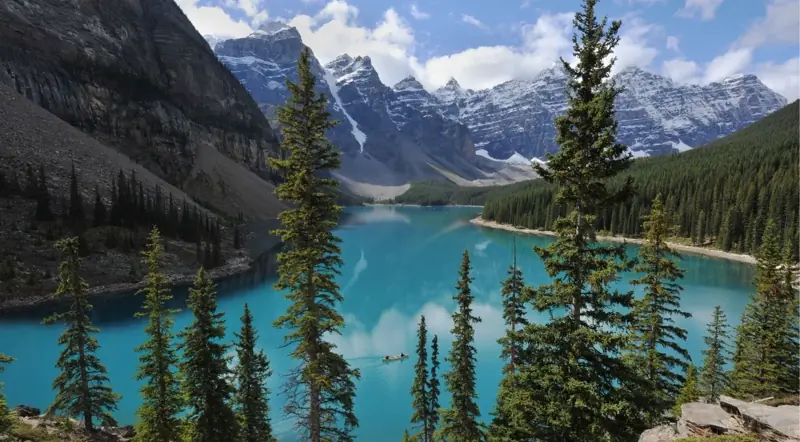 Late afternoon · wildlife first
Twilight Wildlife & Alpine Lakes Sunset Safari
Small groups, park entry in the price, and a route that follows the day's animal activity, timed to the last light of a short winter day.
Featured: Twilight Wildlife & Alpine Lakes Sunset Safari · ★ 4.6 (70 reviews) · From $142 Check availability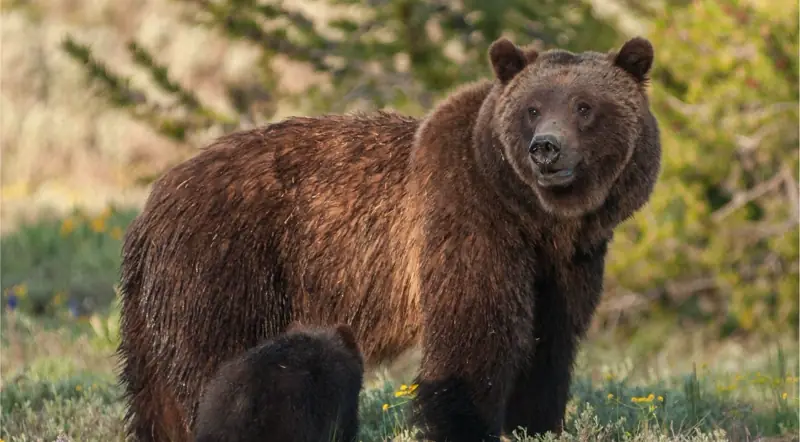 Mornings · year-round
Discover Banff & Its Wildlife
Three hours from 8:30 a.m. with hotel pickup, Bow Falls, Surprise Corner, the Hoodoos and Lake Minnewanka, and hot chocolate at a winter stop. Non-refundable on Viator.
On Viator: Banff and its Wildlife, Year Round Tour · ★ 4.6 (232 reviews) · From US$65 Check availabilityBanff Winter Wildlife Tours: Common Questions
Elk, wolves, December departures, children, bear spray, and what happens if the animals don't show.
Can you see elk in Banff in winter?
Yes. Elk stay active through the winter and are among the likelier large animals on a Banff wildlife-and-sightseeing tour, but where they are and how visible they are changes from day to day, and no sighting is guaranteed. Stay at least 30 metres away.
Are there wildlife tours in Banff in December?
Yes. Some guided Banff wildlife-and-sightseeing tours run year-round, including December. Check the actual departures and pickup arrangements for your date, because many summer wildlife tours do not continue through the winter.
What wildlife can I see in Banff in January?
Possible sightings include elk, deer, bighorn sheep, coyotes and a range of birds. Wolves and moose are more elusive, and grizzly or black bear sightings are extremely unlikely because most bears are in their dens.
Is February a good time for wildlife watching in Banff?
February is good for guided winter sightseeing and for learning about the animals that stay active in the cold. It is not a reliable month for bears. Choose a tour you would enjoy for the scenery and the guide's explanations even if you see no animals.
Can you see wolves on a Banff winter wildlife tour?
It is possible but unusual. Wolves are elusive and range over large areas. Avoid any tour that claims a guaranteed wild wolf sighting, and never follow tracks or approach wolves.
What is the difference between a winter wildlife tour and a grizzly bear tour?
A winter wildlife tour looks for the animals that stay active in winter and mixes in habitat talk and scenic landmarks. A grizzly-focused tour belongs in the warmer months, when bears are out; in winter most grizzlies are in their dens.
Do winter wildlife tours include Lake Louise?
Not usually. Many short wildlife tours stay around the town of Banff and nearby viewpoints. Lake Louise may need a separate sightseeing tour or a longer private itinerary, so check exactly what is included before you book.
Can children join winter wildlife tours?
Many vehicle-based sightseeing tours are family-friendly, but each operator sets its own age, seating and pickup rules. Check the minimum age, any car-seat policy, the length of the tour and the number of outdoor stops, and dress children for the cold even when the vehicle is heated.
Should I bring bear spray in winter?
If you are exploring on foot, yes: Parks Canada advises carrying bear spray in winter and knowing how to use it, because bears can wake from their dens for short periods. Vehicle-only tours work differently, so ask the operator what safety equipment it carries.
What if we don't see any animals?
That can happen on any tour that looks for wild animals. Choose one whose scenery, explanations and landmarks interest you anyway. If a particular sighting is essential to you, don't assume the operator will refund you or offer a repeat tour; read its published booking terms.